
The story of the Tower of Babel, found in Genesis 11, is more than an ancient tale—it is a profound narrative about human pride, divine intervention, and the enduring need for humility and spiritual grounding. Beneath its surface lies a warning, a mirror, and a roadmap for modern life.
Historical and Cultural Background
After the Great Flood, humanity began to repopulate the earth through Noah’s descendants: Shem, Ham, and Japheth. As they migrated eastward, people settled in the plain of Shinar—historically linked to Babylon, in present-day southern Iraq.
At first glance, their intentions to build a city and a tower seem logical—a desire for stability, identity, and community. But the true motivation behind this monumental project was rooted in pride: “Let us make a name for ourselves; otherwise, we will be scattered over the face of the whole earth” (Genesis 11:4, NIV).
This ambition stood in direct opposition to God’s earlier command in Genesis 9:1, where He told Noah’s family to “Be fruitful and multiply and fill the earth.” Instead of spreading out and stewarding the world, humanity chose consolidation and self-glorification.
The Human Desire to “Reach Heaven”
The tower wasn’t just a skyscraper—it was a symbol of spiritual and cultural self-sufficiency. Ancient ziggurats (like Etemenanki in Babylon) were built as religious structures believed to connect heaven and earth. By building such a tower, the people of Babel weren’t just defying geography; they were attempting to bypass dependence on God.
This is where the lesson becomes deeply personal.
Modern-Day Babels: How We Build Towers Today
Though we aren’t laying bricks or baking tar for mortar, we construct “towers” every day—often unconsciously.
-
In our careers, we chase promotions and recognition, sometimes compromising values or health in pursuit of achievement. It’s easy to let our job title become our identity.
-
On social media, many build platforms to “make a name” for themselves. While connection and creativity are beautiful tools, the quest for likes and influence can become a silent tower of ego.
-
Even in parenting or relationships, we may project our ambitions onto others, trying to “build” significance through them.
Each of these modern Babels shares a core characteristic: they are human-centered efforts that subtly (or overtly) exclude God.
God’s Response: Confusion or Correction?
In Genesis 11:7, God says, “Come, let us go down and confuse their language so they will not understand each other.” This may sound like punishment, but it’s actually protection. By disrupting their unity in rebellion, God prevented greater spiritual harm. He preserved humanity from building a civilization without moral and spiritual anchors.
God wasn’t against human collaboration—He was against prideful unity built without Him.
The Reversal at Pentecost: A God-Centered Unity
Thousands of years later, we see a powerful reversal of Babel at Pentecost (Acts 2). When the Holy Spirit descended, people from different nations and languages miraculously understood the apostles' message in their own tongues.
What was once confusion now became clarity—because this time, unity was centered on God’s truth, not human ambition.
Anchoring Our Faith in Daily Life
The story of Babel reminds us how easy it is to drift from God, especially when life is busy, ambitions are high, and distractions are endless. Staying connected to God’s Word daily isn’t just spiritual discipline—it’s lifeline.
Imagine this scenario:
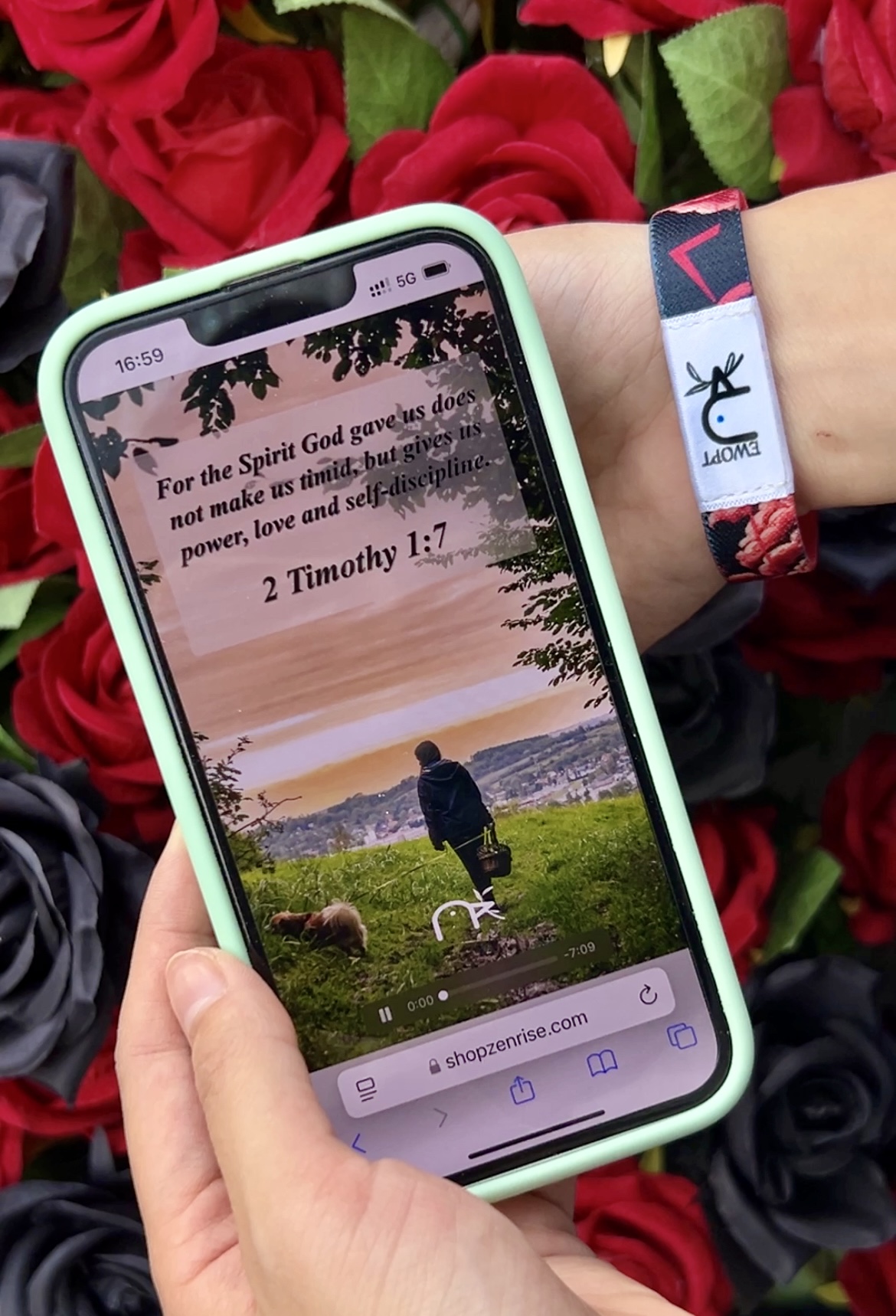
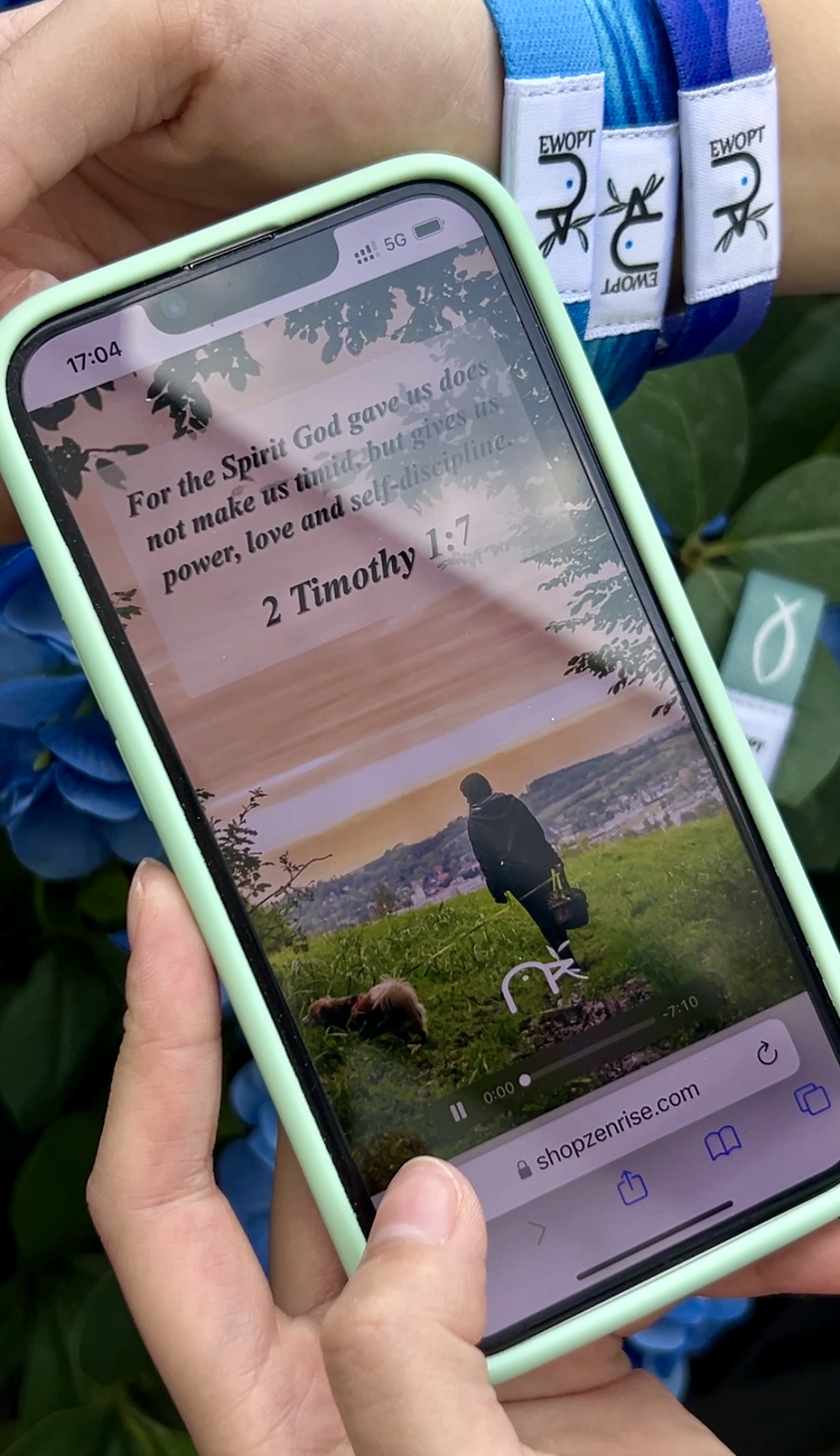
You’re on a crowded train, stressed from work, scrolling your phone. You glance at your wrist and see a bracelet engraved with Psalm 23:1: “The Lord is my Shepherd; I lack nothing.” You tap your phone to it, and instantly today’s Bible verse, a short devotional, and calming prayer music fill your earbuds.
That single moment reminds you of your identity, your purpose, and God’s presence.
Wearable Faith: Blending Scripture with Everyday Style
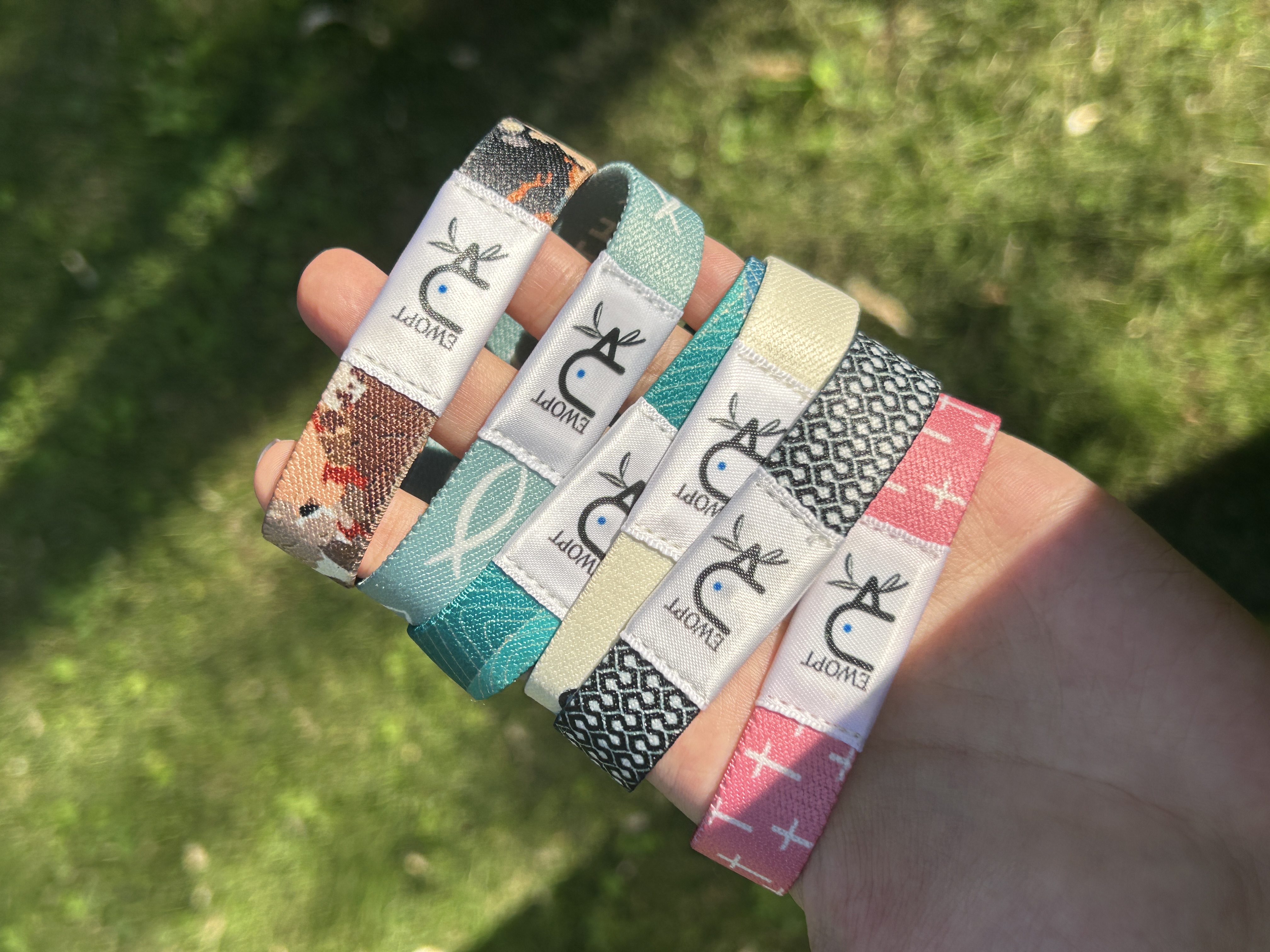
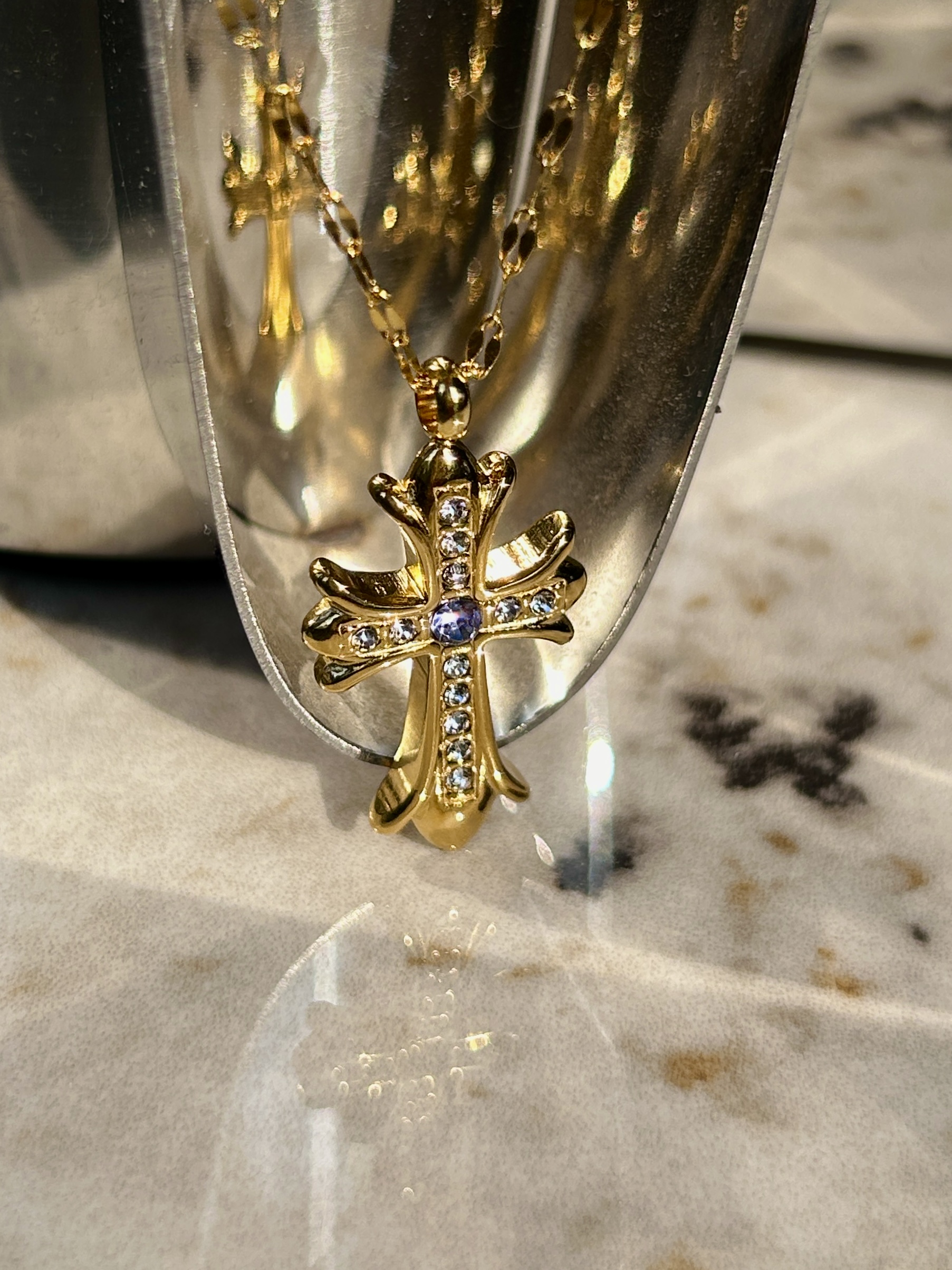
That’s the vision behind innovative faith-based accessories like the Yappy Bracelets and EWOPT Cross Necklaces. These are more than just jewelry—they are digital faith tools designed to keep you spiritually grounded.
Why Choose a Bible Verse Bracelet?
-
Daily Updated Scripture: Each bracelet features NFC technology—tap with your smartphone and receive a fresh Bible verse, prayer music, or devotional content.
-
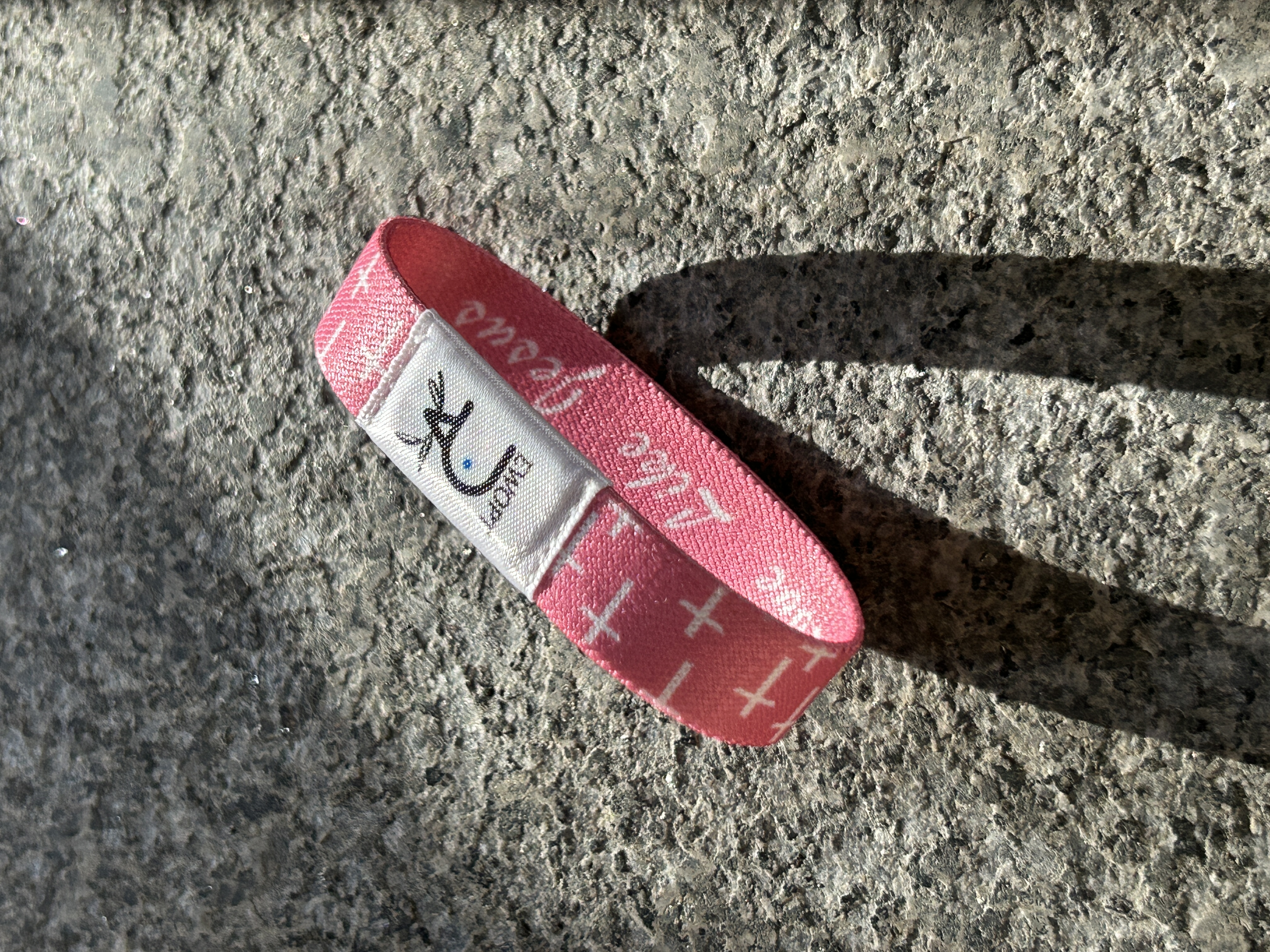
Two-Sided Design: One side displays a beautifully engraved Bible verse, while the other features a minimalist pattern, offering both meaning and style.
-
Durable & Waterproof: Whether you’re at the gym, on a hike, or doing dishes, your reminder of God’s promises stays with you.
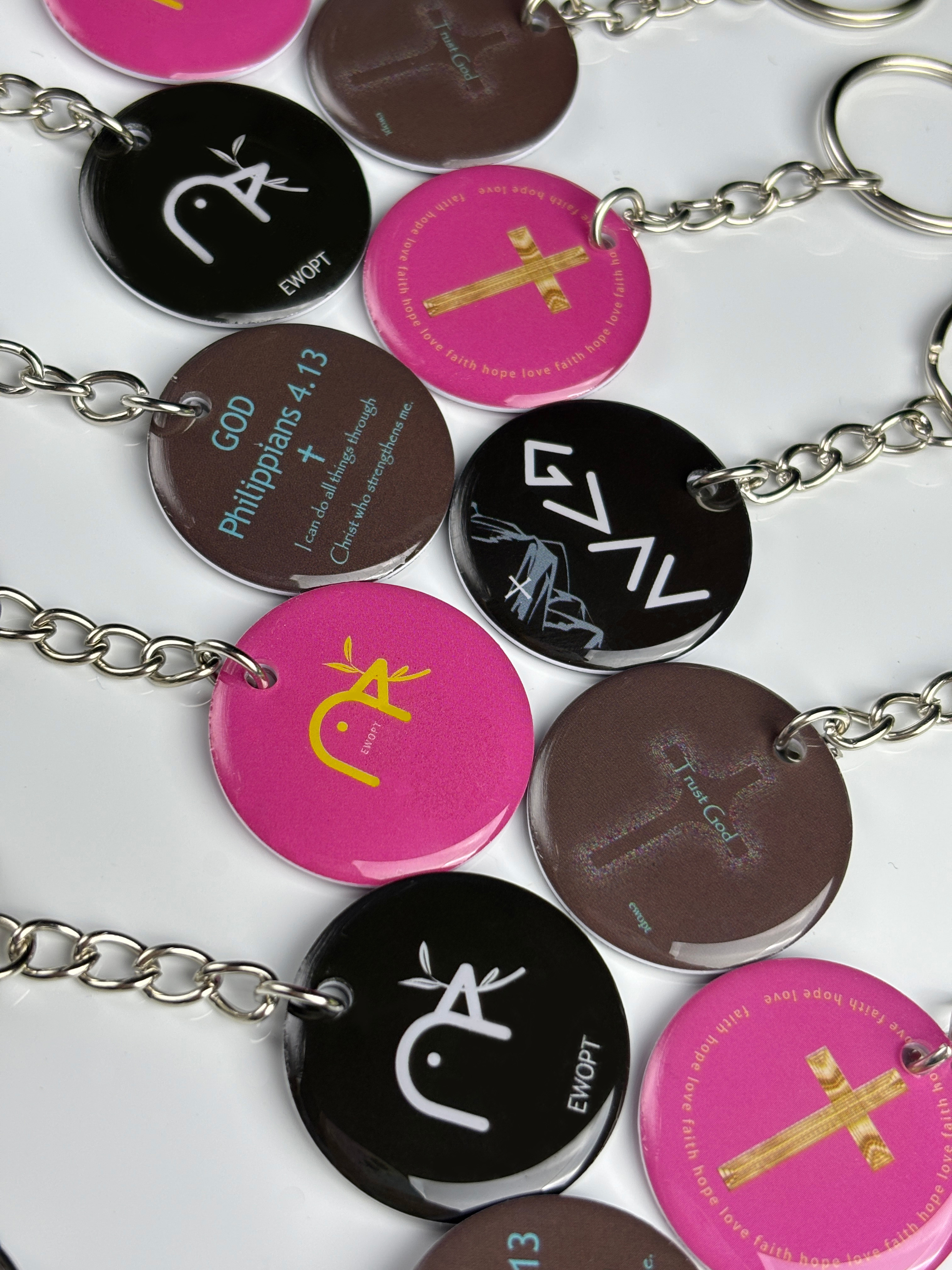
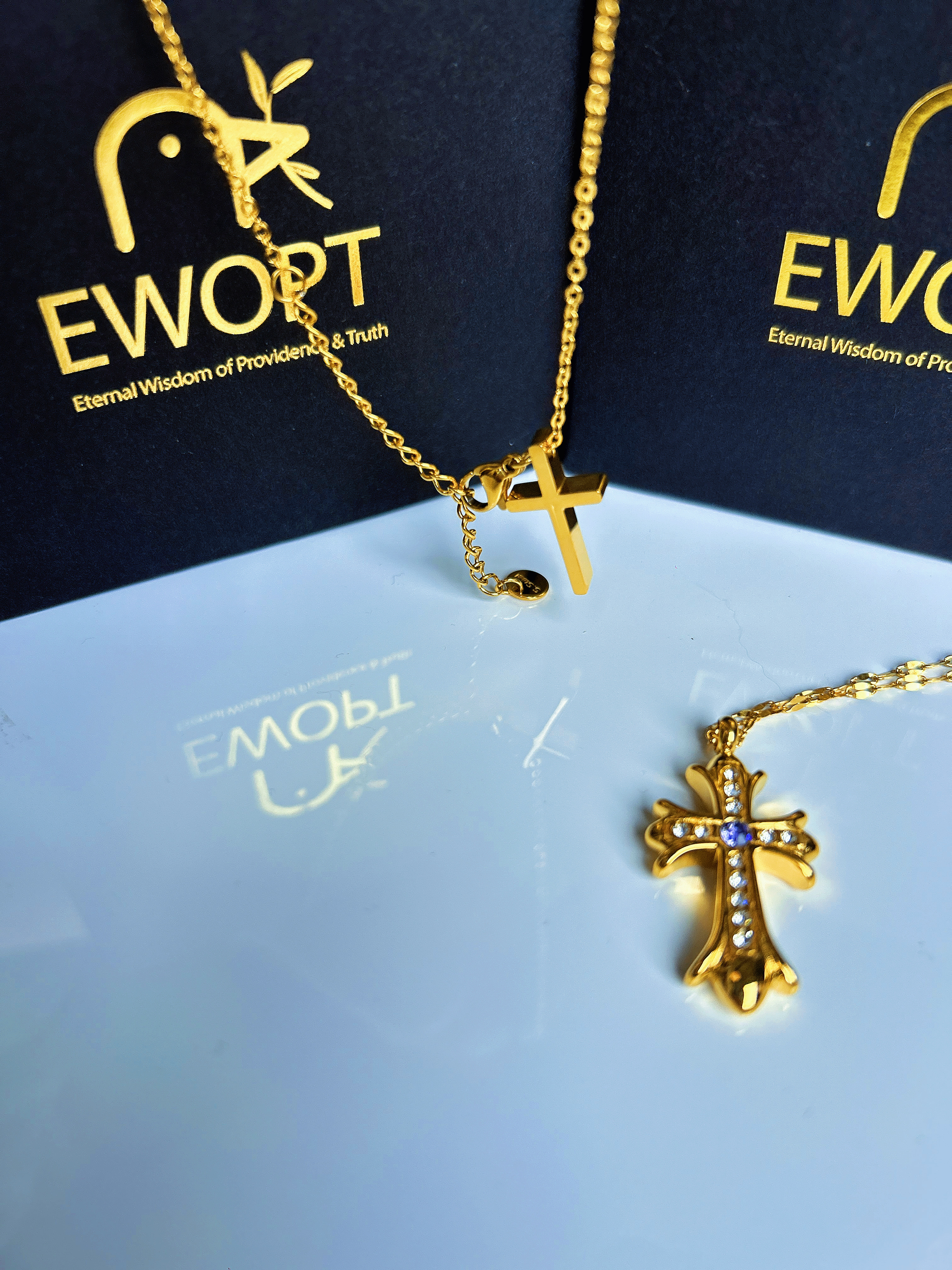
For those who prefer necklaces, the EWOPT Cross Collection offers the same powerful NFC features—seamlessly linking you to the Word through elegant design.
These tools can help you create what Joshua called “stones of remembrance” (Joshua 4:6–7)—physical reminders of God’s faithfulness in your journey.
Final Reflection: Build with God, Not Without Him
The Tower of Babel is a cautionary tale, but also a beacon. It reminds us that striving apart from God leads to confusion, while walking with Him leads to clarity, unity, and purpose.
When our lives are aligned with His will, we don't need to “make a name for ourselves.” Our identity is already secure in Christ.
🕊️ “Unless the Lord builds the house, the builders labor in vain.” — Psalm 127:1
So the question for today is: What are you building? And who are you building it with?
A Simple Invitation
Want to stay grounded in Scripture every day—whether you’re running errands or leading meetings? Explore EWOPT’s Bible Verse Bracelets and Cross Necklaces.